
Freund’s adjuvant is the classic water-in-oil adjuvant used to raise polyclonal antibodies in laboratory animals. This guide explains complete versus incomplete Freund’s adjuvant, how to prepare a stable emulsion, a typical immunization schedule, how to follow the titer and purify the antibody, and the animal-welfare points that review committees check.
How are antibodies produced?
Antibodies are produced by B cells. When a B cell recognises its antigen and receives help from T cells, it divides and matures into plasma cells, which secrete large amounts of antibody. Some activated B cells become memory B cells, so a second exposure (a booster) gives a faster, stronger and higher-affinity response. This is the biology that laboratory antibody production uses: an animal is immunised with the antigen, often together with an adjuvant, and boosted until the serum contains enough specific antibody.
- Where: mainly in lymph nodes, spleen and bone marrow; long-lived plasma cells settle in the bone marrow.
- First response: mostly IgM, appearing within days.
- After boosting: class switching to IgG and affinity maturation give the high-affinity IgG used for research reagents.
Antibody production methods: polyclonal, monoclonal and recombinant
| Polyclonal | Monoclonal (hybridoma) | Recombinant | |
|---|---|---|---|
| Source | Serum of an immunised animal (rabbit, goat, chicken, mouse) | One B-cell clone fused with a myeloma cell | Antibody genes expressed in cell culture |
| Epitopes | Many | One | One (defined sequence) |
| Typical timeline | About 2–3 months | Several months | Weeks once the sequence is known |
| Strengths | Sensitive, tolerant of denaturation, relatively low cost | Consistent and specific | Reproducible supply, easy to engineer |
| Limits | Lot-to-lot variation; supply ends with the animal | Epitope can be lost on denatured protein | Needs sequence and expression work |
The rest of this guide covers the polyclonal route step by step: adjuvant, emulsion, immunisation timeline, titer check and purification.
What is Freund’s adjuvant?
An adjuvant makes the immune system respond more strongly and for longer to an antigen than the antigen would alone. Freund’s adjuvant works by holding the antigen in a water-in-oil emulsion that is released slowly at the injection site (a depot effect) and by drawing in antigen-presenting cells. It comes in two forms:
| Complete Freund’s adjuvant (CFA) | Incomplete Freund’s adjuvant (IFA) | |
|---|---|---|
| Composition | Mineral oil + emulsifier + heat-killed mycobacteria | Mineral oil + emulsifier, no mycobacteria |
| Strength of response | Strong, cell-mediated and humoral | Weaker, mainly humoral |
| Local reaction | Marked inflammation and granuloma risk | Milder |
| Typical use | Primary (first) immunization only | Booster immunizations |
Aqueous adjuvants and other alternatives
Because CFA causes strong injection-site reactions, many labs use alternatives, especially for boosts or for sensitive species: aluminium salts (alum) for soluble protein antigens, squalene- and other oil-in-water emulsions, saponin-based adjuvants, and formulations that add TLR agonists. These usually give less inflammation; titers vary by antigen, so run a pilot or follow your institution’s standard protocol.
Preparing a stable emulsion
- Dissolve or suspend the antigen in sterile buffer (PBS or saline). Endotoxin and denaturants should be minimal.
- Combine the aqueous antigen with an equal volume of adjuvant (1:1 is the usual ratio).
- Emulsify by pushing the mixture back and forth between two syringes joined by a connector, or with a homogenizer, until it becomes thick and white.
- Drop test: place a drop on cold water. A stable water-in-oil emulsion stays as an intact drop; if it spreads, keep mixing.
- Use the emulsion the same day and keep it on ice until injection.
Polyclonal antibody production: a typical timeline
| Step | Typical timing | What happens |
|---|---|---|
| Pre-immune bleed | Before day 0 | Collect serum as the negative control for every later assay |
| Primary immunization | Day 0 | Antigen in CFA (or an alternative adjuvant) |
| Boosters | Every 2–4 weeks, 2–4 times | Antigen in IFA or another adjuvant – never CFA again |
| Test bleeds | 7–14 days after each boost | Measure titer by indirect ELISA |
| Final bleed | When the titer plateaus, often week 8–12 | Collect serum for purification |
Rabbits are the most common host for polyclonal antibodies; goats, sheep, chickens (IgY from egg yolk) and guinea pigs are used when more serum or a different species is needed. Peptide antigens are normally conjugated to a carrier protein such as KLH before immunization.
Checking the titer by ELISA
Coat a microplate with the antigen, add serial dilutions of the test and pre-immune sera, detect with an enzyme-labelled anti-species secondary antibody and read the absorbance on a plate reader. The titer is the highest dilution that gives a signal clearly above the pre-immune serum.
Purifying the antibody
- Protein A or Protein G purifies total IgG from the serum.
- Antigen-affinity purification keeps only the antibodies that bind your antigen, which lowers background in western blot and immunostaining.
- Check purity on SDS-PAGE and confirm specificity by western blot against the target and a negative control.
How to conjugate polyclonal antibodies
- Purify first. Use protein A/G or antigen-affinity purified IgG; crude serum wastes label on other proteins.
- Clean the buffer. Remove carrier proteins (BSA, gelatin), sodium azide and amine buffers such as Tris, which compete in amine-reactive chemistry or inhibit HRP. Exchange into PBS by desalting column or dialysis.
- Choose the label: HRP or alkaline phosphatase for Western blot and ELISA, biotin for streptavidin detection, or a fluorescent dye for imaging and flow cytometry.
- Control the ratio. Follow the kit’s label-to-antibody ratio; over-labelling can block the binding site and raise background.
- Remove free label and test. Desalt, then titrate the conjugate against the unconjugated antibody plus a secondary to confirm activity.
Need a labelled secondary instead? See CYAB001 goat anti-mouse IgG HRP, CYAB003 goat anti-rabbit IgG HRP and CYAB004 goat anti-rabbit IgG FITC, and our guide to primary vs secondary antibodies.
Animal-welfare checklist
- Get approval from your institutional animal care and use committee (IACUC or equivalent) before starting.
- Use CFA only for the primary immunization, by a subcutaneous or intradermal route – never intravenously.
- Keep injection volumes and the number of sites within your institution’s limits, and use several small sites rather than one large depot.
- Monitor injection sites for swelling, ulceration or abscess, and record observations.
- Consider an alternative adjuvant where the antigen is strongly immunogenic on its own.
Equipment for the antibody workflow
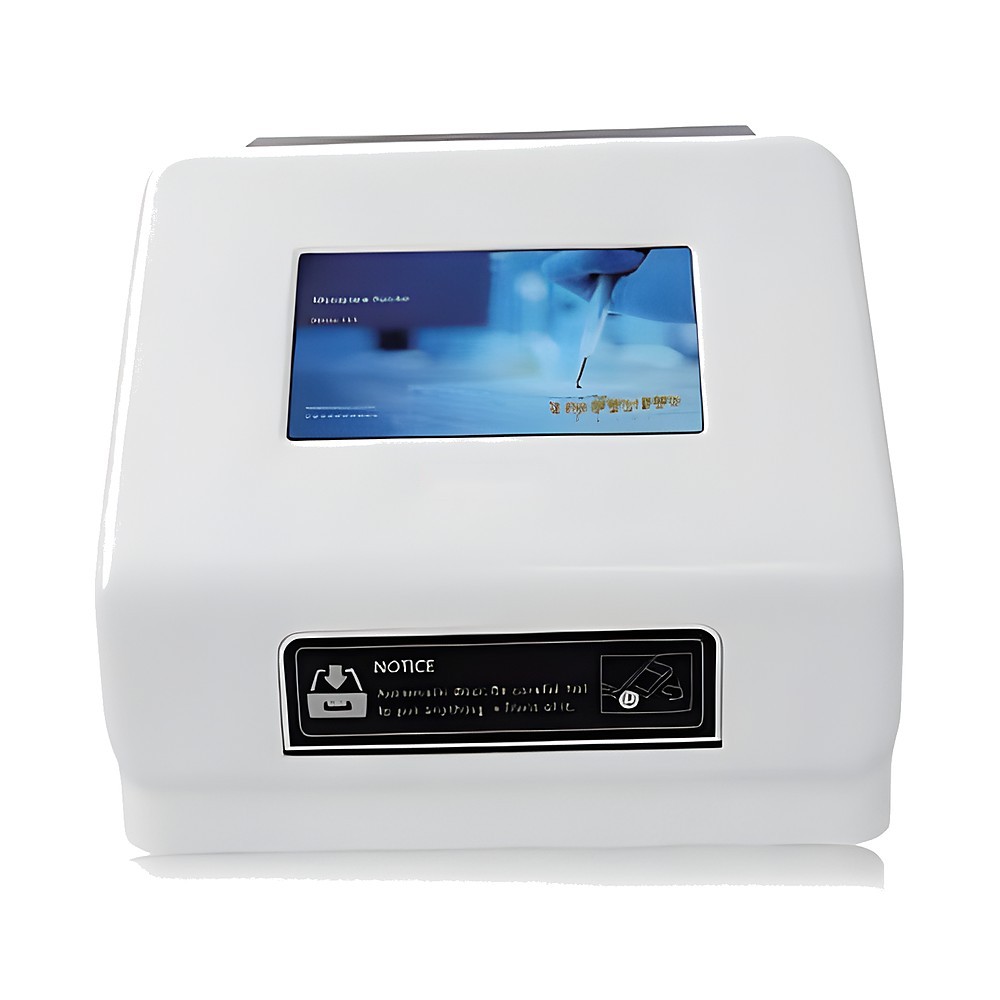
Microplate Reader (ELISA Reader)
- Read titer ELISA plates
- 7-inch touch screen; 8-position filter wheel
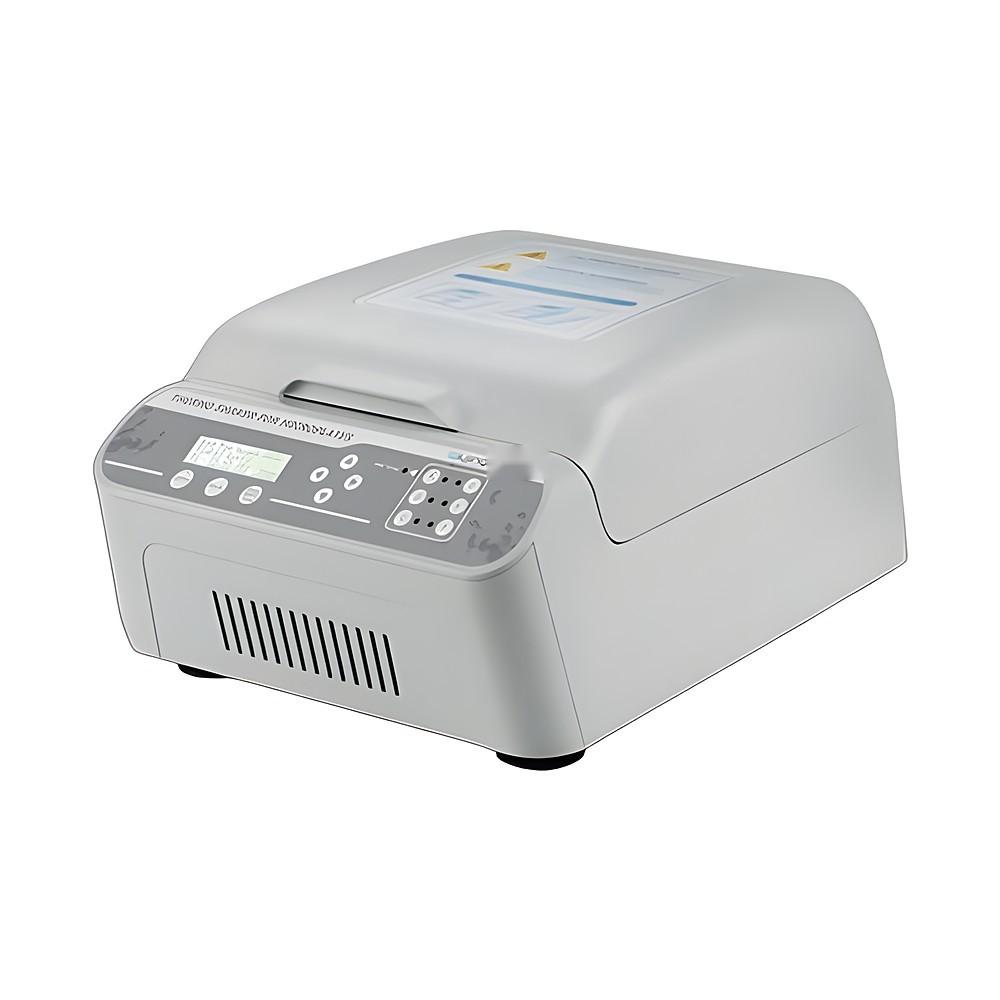
Microplate Thermo Shaker (6 Plates)
- Incubate up to 6 ELISA plates at once
- Automatic pre-heating at power-on
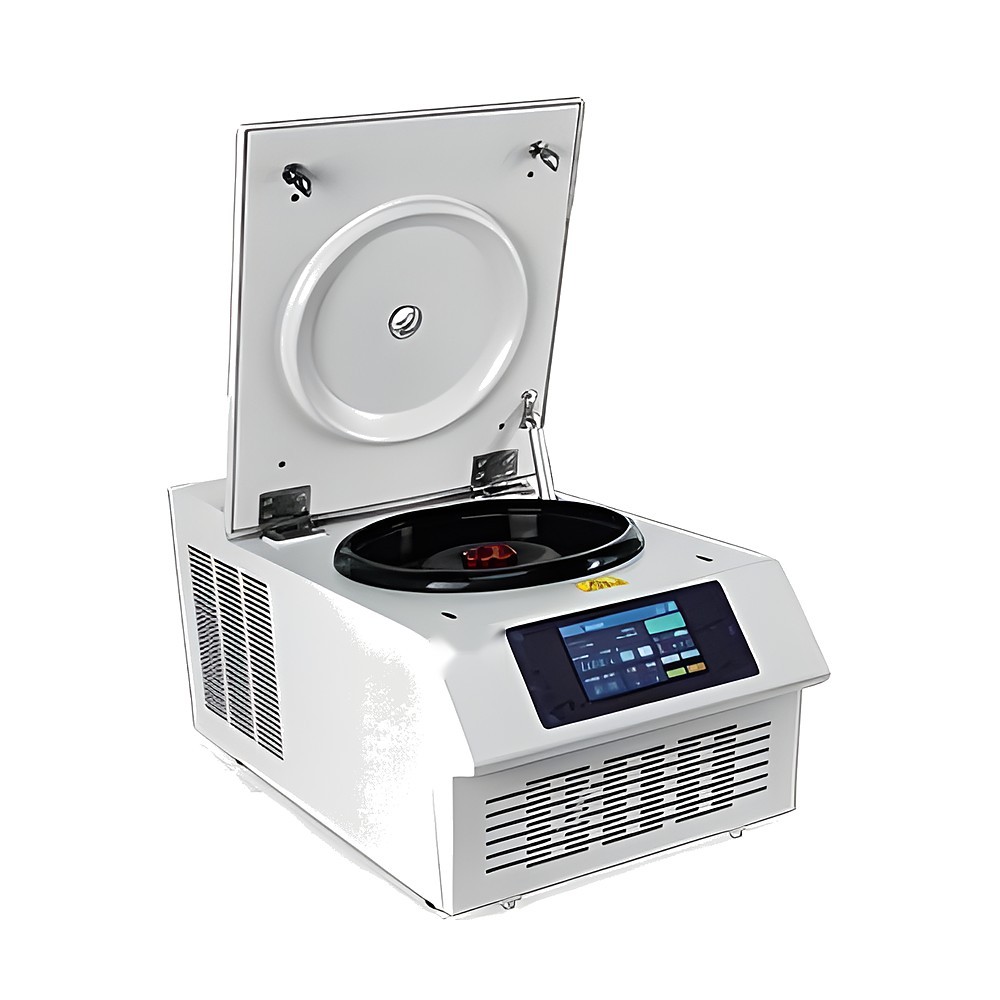
Refrigerated Microcentrifuge
- Separate serum from test bleeds
- Up to 16,500 rpm; electronic door lock
Detecting cytokines or other proteins with your antibodies? See RayBiotech antibody arrays and ELISA kits and our flow cytometry gating guide.
Frequently asked questions
What is the difference between complete and incomplete Freund's adjuvant?
Complete Freund's adjuvant (CFA) is a water-in-oil emulsion base of mineral oil and an emulsifier that also contains heat-killed mycobacteria. Incomplete Freund's adjuvant (IFA) is the same oil base without the mycobacteria. CFA gives a stronger, longer-lasting response but more inflammation, so it is normally used once, for the first immunization only; IFA is used for boosters.
Why should CFA be used only once?
A second exposure to the mycobacterial components can cause severe local and systemic inflammatory reactions in an animal that is already sensitized. Most institutional guidelines therefore restrict CFA to the primary immunization and require IFA or another adjuvant for boosts.
How do I know the emulsion is stable?
A correctly made water-in-oil emulsion is thick and white. Drop a little onto cold water: a stable emulsion stays as a single drop, while an unstable one spreads across the surface.
How long does polyclonal antibody production take?
A typical rabbit program runs about 8 to 12 weeks from the first immunization to the final bleed: a primary injection, two to four boosts several weeks apart, and test bleeds to follow the titer by ELISA.
Are there alternatives to Freund's adjuvant?
Yes. Aluminium salts (alum), squalene- or other oil-based emulsions, saponin-based adjuvants and TLR-agonist formulations are used to reduce injection-site reactions. The best choice depends on the antigen, the host species and your animal-welfare committee.
References
- Stills HF Jr. Adjuvants and antibody production: dispelling the myths associated with Freund's complete and other adjuvants. ILAR Journal. 2005;46(3):280–293.
- Leenaars M, Hendriksen CFM. Critical steps in the production of polyclonal and monoclonal antibodies: evaluation and recommendations. ILAR Journal. 2005;46(3):269–279.
- Greenfield EA, editor. Antibodies: A Laboratory Manual. 2nd ed. Cold Spring Harbor, NY: Cold Spring Harbor Laboratory Press; 2014.
- National Institutes of Health, Office of Animal Care and Use (OACU). Guidelines for the Research Use of Adjuvants.
For research use. Follow your institution’s animal-welfare rules; this guide does not replace an approved protocol.