
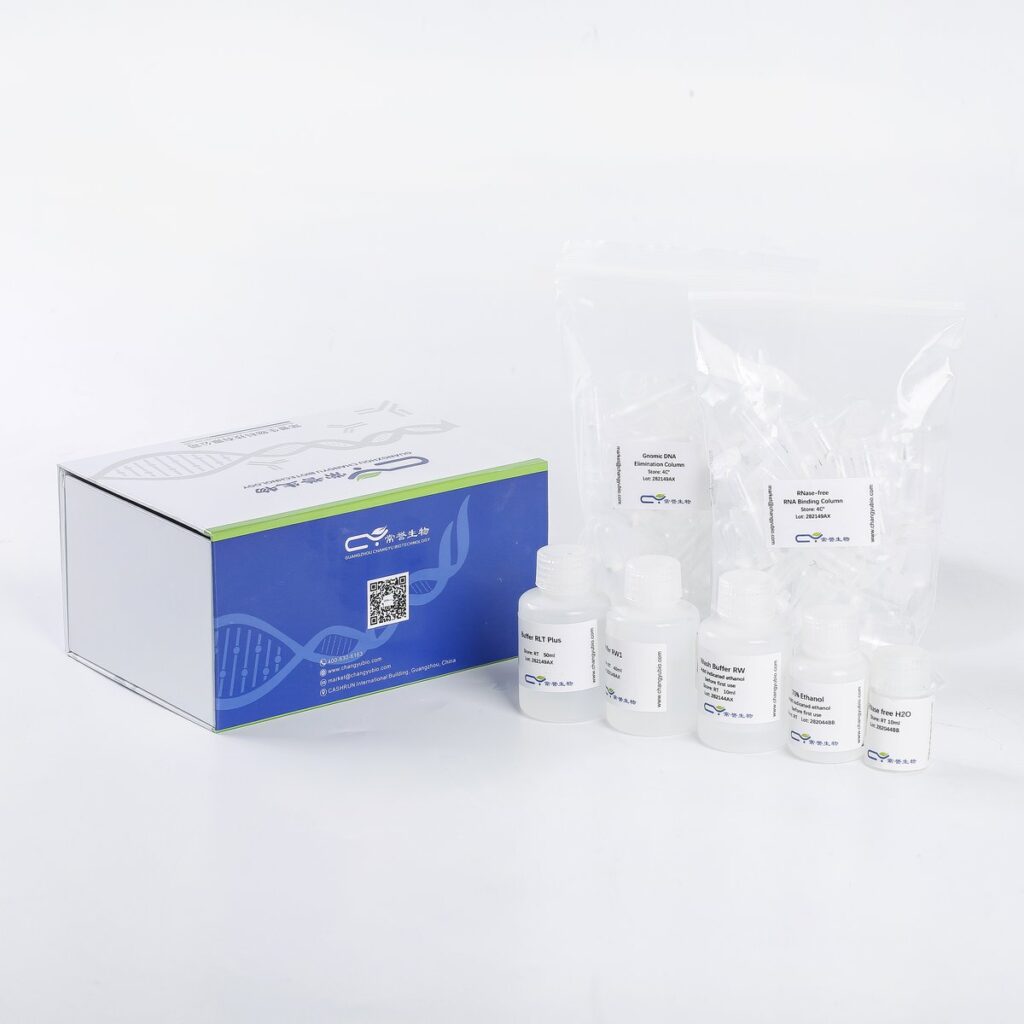
Spin-column DNA purification kit for cells and tissues. Samples are lysed with Proteinase K under chaotropic conditions that immediately inactivate nucleases; DNA binds selectively to the silica membrane and is purified through rapid wash-and-spin steps. A dedicated Inhibitor Removal Buffer handles difficult samples.
Key Features
- No toxic phenol/chloroform, no organic extraction or ethanol precipitation
- Multipurpose — one kit for a variety of sample materials
- Inhibitor Removal Buffer (Buffer IR) for demanding samples
- Fast, easy protocol with high-quality DNA yield
Specifications
| Pack sizes | 50 Preps (CYDN0701) / 100 Preps (CYDN0702) |
| Components | Buffer TL, Buffer CB, Buffer IR, Buffer WB, Elution Buffer, Proteinase K (20 mg/ml), DNA Bind Columns |
| Storage | Buffers at RT; Proteinase K at -20°C |
| Shipping | Ambient (room temperature); no ice packs |
| Note | Add indicated ethanol to Buffer WB before first use |
Typical Applications
- Genomic DNA from cultured cells after Proteinase K lysis.
- Animal tissue: about 20–40 mg (spleen up to 10 mg) per the manual.
- Optional RNase A when RNA-free genomic DNA is required for PCR or similar research use.
Input ranges at a glance
| Blood (non-nucleated RBC) | 200 µl anticoagulated whole blood; top up with PBS if less than 200 µl |
| Blood (nucleated RBC — bird/fish/frog) | 10–20 µl, top up to 200 µl with PBS |
| Cultured cells | Up to 5 × 10⁶ cells, resuspended in 200 µl PBS |
| Animal tissue | 20–40 mg (spleen up to 10 mg); digest at 56°C for 1–3 hours |
| Mouse tail | 0.2–0.5 cm (25–50 mg); digest 3 hours or overnight |
| Heparin tolerance | Buffer IR removes inhibitors — supports heparinized samples up to 100 U/ml heparin |
| Elution | 100 µl standard, minimum 30 µl; pre-warming elution buffer to 70–90°C raises yield |
| Storage / pack sizes | RT components, Proteinase K −20°C; stable 9 months; CYDN0701 (50 preps) · CYDN0702 (100 preps) |
Limits and handling
- For laboratory research use only. Not for diagnostic or therapeutic use.
- Shipped at ambient temperature (no ice packs).
- Buffers at room temperature; Proteinase K at −20°C after reconstitution. Avoid repeated freeze–thaw of Proteinase K. Kit stable 9 months at the indicated temperatures.
- Add the indicated ethanol to Buffer WB before first use. Residual ethanol on the column membrane interferes with downstream reactions — dry-spin as in the manual.
- Optional RNase A is only if RNA-free genomic DNA is required.
Who sets these specifications
Changyu Bio supplies Cat# CYDN07 and is responsible for the specifications on this page. Confirm pack sizes, storage, and protocol against the PDF manual before use. Quotes: market@changyubio.com or WhatsApp +86 18665577773.
Plus DNA Mini Kit FAQ
Can I use heparinized blood samples?
Yes. The kit includes an Inhibitor Removal Buffer (Buffer IR) that supports samples containing up to 100 U/ml heparin — a key difference from standard blood DNA kits.
How can I improve DNA yield?
Pre-heat the Elution Buffer to 70–90°C before elution, and elute twice by passing the eluate back through the column — the manual reports about 10–15% higher concentration with a second elution.
What digestion times does the manual give?
Animal tissue: 56°C for 1–3 hours; mouse tail: 3 hours or overnight. All components are stable for 9 months at the indicated temperatures; Proteinase K is stored at −20°C.
Cat# CYDN07 — For research use only (RUO). Not for diagnostic or clinical use. Contact market@changyubio.com or WhatsApp +86 18665577773 for pricing and export delivery to Africa, Southeast Asia and worldwide.